Mining Pollution and Water Contamination in Ghana’s Mining Communities

Mining remains one of the most important sectors of Ghana’s economy. The country is globally recognized for its gold production and has attracted numerous multinational mining companies over the decades. While the industry contributes significantly to national revenue and employment, its impact on local communities—particularly those living near mining concessions—has become a growing concern.

One of the most serious issues documented in mining regions is water pollution.

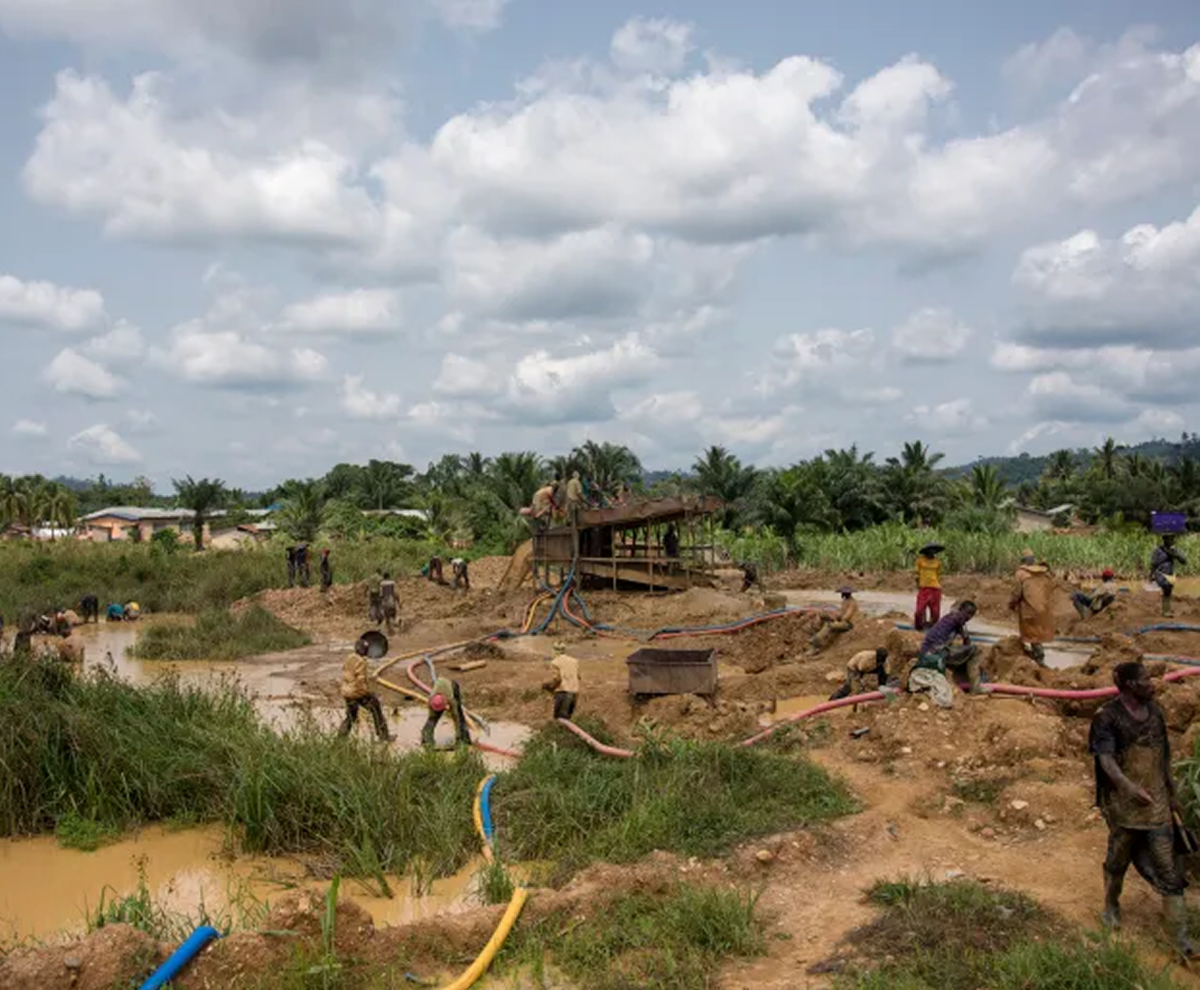
In many rural mining communities, rivers, streams, and natural water bodies serve as the primary sources of water for drinking, household activities, irrigation, and fishing. However, mining operations have increasingly placed these water sources at risk.

The report Mining-Related Human Rights Abuses in Ghana documents how mining activities have contributed to widespread environmental degradation, including the pollution of rivers and streams used by local communities. The contamination often results from the release of mining waste, sediment, and toxic chemicals used during mineral extraction processes.

Gold mining in particular relies heavily on chemical processes that can pose environmental risks when not properly managed. According to the report, the spillage of hazardous substances such as cyanide and other chemicals has had severe environmental and health consequences for communities located near mining operations.

The Human Impact of Polluted Water

Water pollution from mining does not only affect the environment; it has direct consequences for the people who depend on these water sources.

Communities have reported difficulties accessing safe water after nearby rivers became contaminated. This creates several challenges:

  • Increased exposure to waterborne diseases
  • Health complications such as skin diseases and respiratory conditions
  • Reduced access to water for farming and food production
  • Loss of livelihoods for fishing communities

These issues illustrate how environmental degradation can quickly evolve into a broader human rights concern, particularly when access to clean water—a basic necessity for life—is compromised.

The report highlights that environmental damage caused by mining often results in long-term socio-economic consequences for affected communities.

Environmental Degradation Beyond Water

Water contamination is only one aspect of the environmental challenges faced by mining communities. The report also identifies several related environmental impacts associated with mining activities, including:

  • Destruction of farmlands
  • Deforestation
  • Land degradation
  • Loss of biodiversity

Together, these environmental effects can significantly disrupt the livelihoods of rural populations that depend heavily on agriculture and natural resources.

Weak Enforcement of Environmental Regulations

Although Ghana has regulatory frameworks designed to protect communities and the environment from mining-related harm, the report suggests that implementation and enforcement remain major challenges.

Many residents interviewed during the study indicated that they were either unaware of existing regulations or had rarely seen them enforced. This gap between policy and enforcement allows harmful practices to continue, often leaving communities with limited avenues for redress.

Without stronger regulatory enforcement and corporate accountability, environmental damage—including water pollution—may continue to affect communities living near mining operations.

Towards Responsible and Sustainable Mining

The findings presented in the report highlight the urgent need for stronger environmental safeguards in Ghana’s mining sector. Protecting water sources should be a central priority for policymakers, mining companies, and regulatory institutions.

Responsible mining practices must ensure that economic benefits do not come at the expense of environmental sustainability and community well-being. Addressing water pollution in mining communities requires coordinated action that includes:

  • stronger environmental monitoring
  • enforcement of mining regulations
  • improved waste management practices
  • meaningful engagement with local communities

Only through these efforts can Ghana achieve a balance between resource extraction and the protection of human rights and the environment.

References

Baffour-Ata, F., & Adjei-Poku, R. (2025). Mining-Related Human Rights Abuses in Ghana. Livelihood and Environment Ghana (LEG).

  • Chapter 1: Introduction – Background and Context
  • Section on Environmental Degradation and Mining Impacts

Nathaniel Nyanor
    Leave a Comment

    Your email address will not be published. Required fields are marked *

    Similar Posts

    Stakeholders commit to transparency, accountability in utilization of Mineral Development Revenue in Asutifi North

    Stakeholders commit to transparency, accountability in utilisation of Mineral Development Revenue in Asutifi North
    Director urges use of mining revenue to tackle long-term development needs of local communities

    Director urges use of mining revenue to tackle long-term development needs of local communities

    Are we ensuring a just transition for the communities on the front lines of resource extraction?
    Are we ensuring a just transition for the communities on the front lines of resource extraction?

    It was an honor to share 21 years of on-the-ground experience addressing this very question at the 3-day conference on E

    Bottom Image